

Fashion and luxury growth with brand value in view.
Connect collection planning, creative, commerce and customer relationships so short-term demand decisions account for long-term brand value across markets and channels.

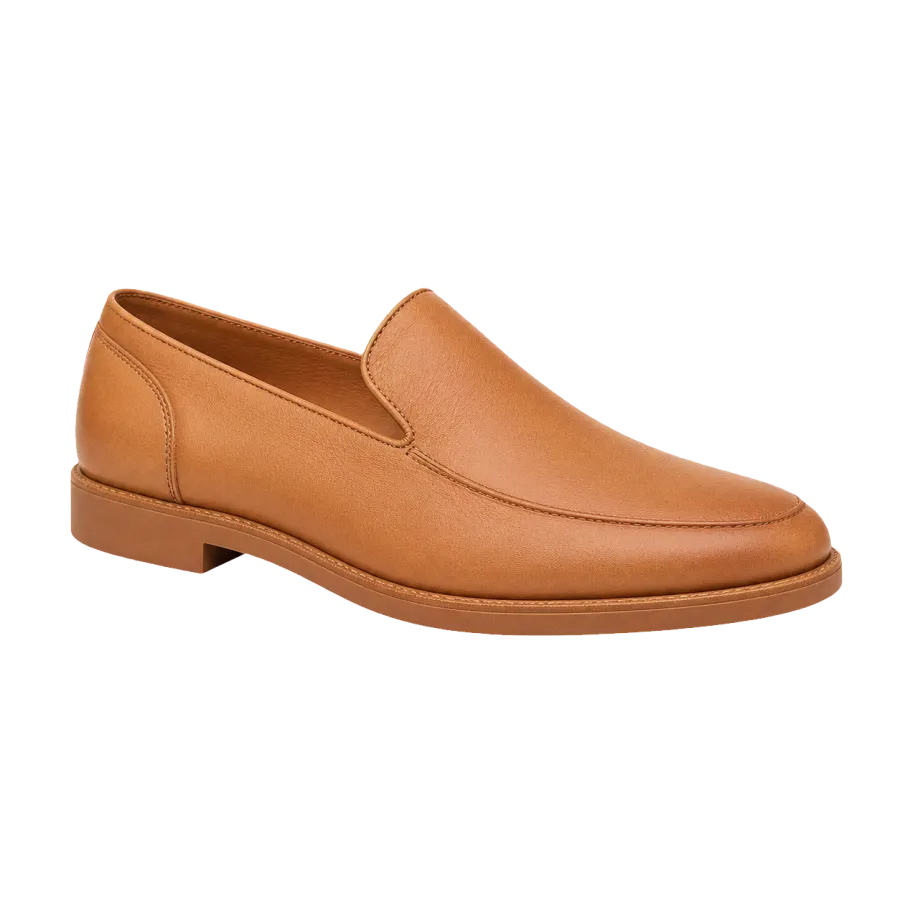
What the brief needs to connect.
Commercial priorities
- Grow profitable full-price demand
- Plan stronger collection launches and seasonal campaigns
- Coordinate DTC, retail and marketplace growth
- Increase repeat purchase and customer value
Measures that matter
- Full-price sell-through
- Contribution margin by channel
- New and returning customer revenue
- Stock availability and markdown exposure
- Customer acquisition cost and lifetime value
Relevant capabilities
Brand discipline and commercial performance should reinforce each other
A fashion marketing agency works with two clocks: launches, stock and revenue targets; and the slower work of building recognition, desire and trust. Conversion tactics can flatten a distinctive brand into promotions. Brand activity disconnected from buying behaviour makes it harder to learn what creates demand.
Odla brings both into one operating plan. We translate brand codes—the visual, verbal and experiential signals that make a house recognisable—into channel and journey rules. Performance decisions can then stay inside them. This applies whether the need is a fashion digital marketing agency for direct-to-consumer growth, an apparel marketing agency aligning demand with inventory, or a jewellery marketing agency supporting a considered purchase.
For luxury, scarcity, service and selective distribution are part of the proposition. A luxury marketing agency should ask how efficiently a campaign converts, where the brand appears and whether the activity supports pricing power over time. Jewellery adds a considered journey: customers may compare materials, provenance, sizing, care and after-sales service before purchasing. The plan should make that expertise accessible without reducing every decision to an immediate checkout.
Plan collection drops around demand, availability and margin
Fashion calendars combine seasonal collections, capsules, collaborations and evergreen products. Each has a different job: a launch may build attention before availability; a continuity line needs sustained discovery; a limited drop needs tight pacing. Treating every release as the same campaign wastes creative and budget.
Our digital strategy work connects the collection calendar to intent, channel roles and commercial constraints. Before launch, we define the learning goal, lead products, buying routes and success measures. Merchandising and marketing need the same view of price, availability, stock cover and markdown exposure. Accelerating demand for unavailable products, or celebrating heavily discounted revenue, helps neither team.
As trading develops, creative, landing pages and media allocation can respond to product interest and availability without changing the brand story. Our performance marketing service uses those inputs to direct spend towards useful demand, with return on ad spend treated as one signal.
Coordinate DTC, retail and marketplaces without losing control
Customers can discover through a creator, research on the brand site, try in store and buy through a retail partner or marketplace. Reporting often gives each touchpoint too much credit. The business needs to understand each channel’s role, margin and customer relationship.
DTC offers control over presentation, service and first-party learning. Retail partners can add authority and physical access. For luxury, selective distribution also determines where products appear, how price and service are handled, and which customer signals return to the brand. Marketplaces provide reach and high-intent demand, but introduce listing standards, price visibility and different terms. Odla plans content and activation against the brand’s agreed assortment for each route. Our marketplace operations work supports catalogue quality and trading discipline within the wider commerce plan.
Make creator and affiliate activity a managed growth system
Creators can show fit, styling, craft and cultural relevance; affiliates can make recommendations easier to act on. Neither should be reduced to a volume of posts or links.
Odla can help set creator briefs, define channel use and usage rights, and build measurement around qualified reach, content value and sales signals. We can also specify audience-fit, disclosure and brand-safety criteria. Large-scale sourcing, talent representation and ongoing relationship management need a specialist owner on the client or partner side. Measurement should acknowledge where tracking cannot prove incrementality.
Keep one brand recognisable across international markets
International growth needs a stable identity while local teams respond to language, climate, cultural calendars, platform behaviour and retail conditions.
A luxury digital marketing agency should not assume translated campaign copy is localisation. Odla defines what is fixed, what can flex and who owns each decision. Shared creative and measurement systems reduce duplication, while market teams retain the context to choose useful channels and moments. The aim is to keep the brand recognisable without forcing identical execution everywhere.
Build retention around service and relevance
Retention should not become a permanent promotion calendar. Fashion customers may return for a new season, replenishment, a complementary piece or early access. Luxury and jewellery purchases may be less frequent and more considered, with service continuing after the sale.
Lifecycle planning uses behaviour and permission: first purchase, category interest, purchase frequency, availability and engagement. Clienteling can connect digital signals to appointments, wishlists, product availability, care, repairs or a named adviser when the operating model supports it. Those interactions should feel like useful service, not mass promotion in a more expensive channel.
Measure the economics behind the customer journey
Platform revenue and return on ad spend do not reveal full-price sell-through, margin, returns, channel overlap or repeat value. Our analytics and optimisation service defines a practical model across media, ecommerce, retail and customer data, including unresolved gaps.
Useful reporting connects acquisition cost and new-customer revenue with availability, discount depth, returns, repeat purchase and contribution margin. Brand search, direct traffic and customer research add context to longer-term demand, but are not precise attribution. The purpose is a credible decision system for the next investment.
Frequently asked questions
What does a fashion marketing agency do?
A fashion marketing agency connects brand positioning, collection planning, creative, acquisition, commerce and retention. It should help teams generate demand for the right products at the right time while accounting for stock, margin, channel roles and the effect short-term activity has on long-term brand value.
How is luxury marketing different from mainstream fashion marketing?
Luxury marketing places greater weight on pricing power, selective distribution, craft, scarcity and service. For jewellery and other considered purchases, product education, consultation, trust and aftercare may shape demand across a longer journey. Reach and conversion should therefore be evaluated alongside the environment and customer experience.
What should a fashion or luxury marketing brief include?
A useful brief states the collection’s role, priority products, agreed assortment by channel, stock and margin constraints, audience, markets, brand codes, distribution rules and service expectations. It should name decision owners, creator responsibilities, available data and outcomes. Luxury and jewellery briefs should also cover access, appointments, clienteling, product education and aftercare.
How should fashion brands measure creator and affiliate marketing?
Start by defining the partner’s role. Measures may include qualified reach, content engagement, product-page visits, assisted conversion, affiliate revenue, new-customer contribution and reusable content value. Tracked sales are useful, but they should not automatically be treated as incremental; tests and comparison groups can provide stronger evidence where scale allows.
What should a fashion or luxury digital marketing agency report?
Reporting should connect media and website indicators to commercial outcomes such as full-price sell-through, contribution margin, new-customer cost, repeat revenue, return rate and markdown exposure. It should also show stock constraints and clearly label attribution limits so teams can act on the numbers without overstating certainty.
Start with the commercial constraint.
Bring the outcome, the evidence you trust and the dependency that keeps getting in the way. We will shape the smallest useful scope.