

Food & beverage marketing built for trial, repeat and distribution.
Odla connects brand demand, distribution and measurement so food and drink brands can create relevant trial occasions and a credible path to repeat purchase.
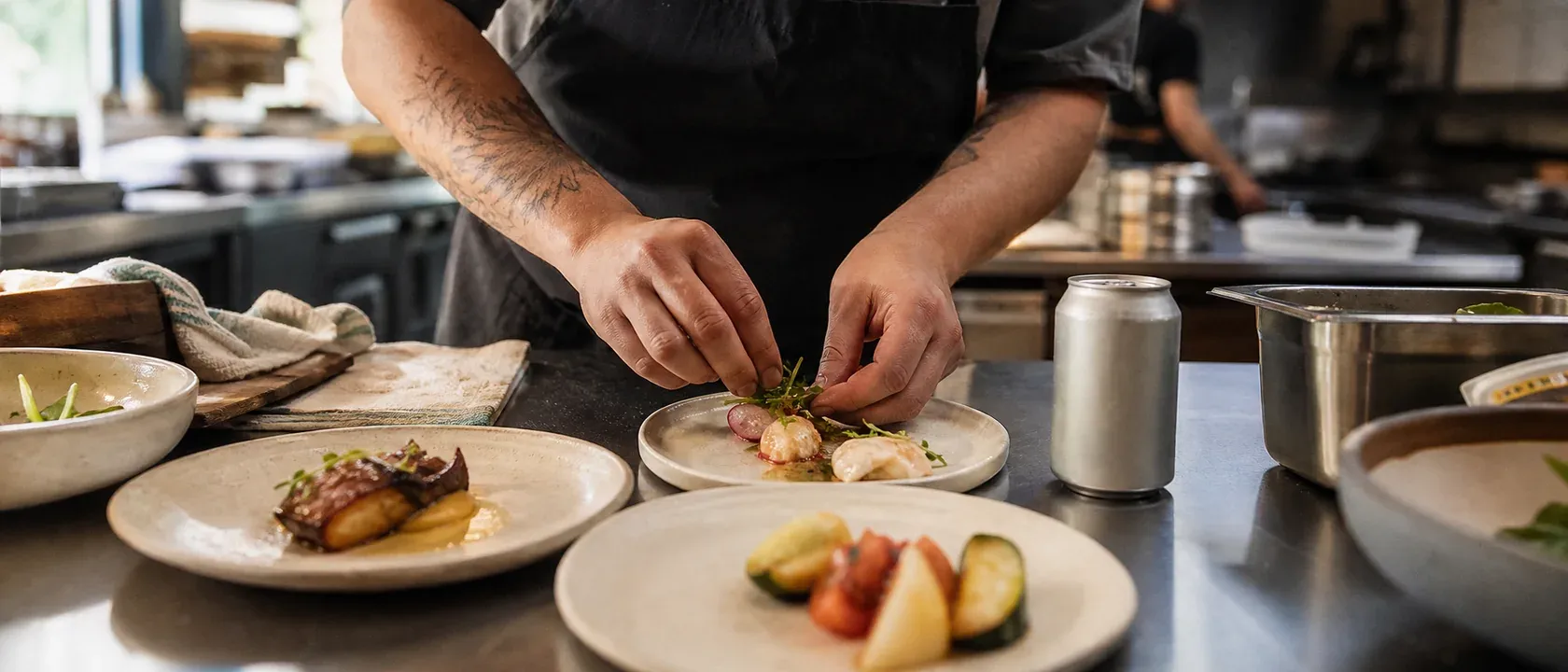

What the brief needs to connect.
Commercial priorities
- Create qualified trial for priority products, audiences and occasions
- Turn first purchase into repeat behaviour and stronger customer value
- Coordinate launches across retail, distributor, marketplace and DTC channels
- Allocate activity around availability, margin and commercial contribution
Measures that matter
- Trial and first-purchase conversion
- Repeat-purchase rate and reorder interval
- Revenue and contribution by channel
- Product availability and in-stock rate
- Customer acquisition and promotion efficiency
Relevant capabilities
Trial starts with an occasion and available distribution
People choose food and drink for occasions such as breakfast, hydration, entertaining, a treat or a gift. A food marketing agency should identify the occasions a product can credibly serve, the people who value them and the pack, price and message that make trial sensible.
Odla maps those choices against distribution by retailer, marketplace, distributor, venue and geography. Activity then points towards stock a customer can buy. Distribution without a reason to choose may not create trial; demand without availability cannot convert.
Trial is only the beginning
Taste, format, price, pack size and availability shape first purchase. Creative should show the product and its occasion clearly. Sampling, offers, creator content, retail media and paid social can support trial, but each creates different costs and evidence.
Repeat purchase needs its own plan. Lifecycle communication and replenishment prompts should reflect the category’s buying rhythm. A food and beverage marketing agency should separate trial volume from who returns, when and at what commercial value.
Availability and margin set the ceiling for growth
Before scaling activity, we review what can be bought, where, at what price and through which partner. Media priorities can then follow distribution and stock rather than sending customers towards an unavailable product.
Distributor terms, promotions, marketplace fees, fulfilment, discounts and media can produce different contributions from the same product. Odla does not own pricing, supply or trade negotiations. We make those dependencies visible in planning and reporting.
Beverage marketing connects occasions with on- and off-trade availability
Beverage planning includes where a product is served, sampled and bought again. On-trade distribution through restaurants, bars, hotels or venues can place a drink in a specific occasion. Off-trade distribution through grocery, specialist retail or marketplaces extends take-home availability. DTC may add a route where fulfilment and margin make it suitable.
A beverage marketing agency should give each route a defined job: occasion, audience, product availability, pack format, customer action and evidence. On- and off-trade plans need coordination with distributor timing, stock and local availability; a national message is not useful when distribution is limited to selected outlets.
Seasonal and product launches need one operating plan
Food and drink calendars include new listings, limited editions, gifting periods, weather-led demand and category occasions. A launch plan connects the audience, proposition, distributor or retailer timing, stock, approvals, media and measurement before launch. It also states what happens when attention shifts and repeat becomes more important.
Our digital strategy service can define the route-to-market role and investment priorities. Creative and communications turns that direction into channel-ready messages and assets, while keeping product information and approved claims consistent across formats.
Creators, affiliates and marketplaces need a clear role
Creators can demonstrate use, serving occasions and product context. Their value depends on audience fit, credible content, usage rights and the intended next action. Affiliate arrangements can add outcome-linked distribution, but commission, codes, discounting and partner overlap must be read against incremental contribution.
Marketplaces can support discovery and repeat ordering while adding catalogue, availability and advertising requirements. Odla’s Amazon marketplace management connects those trading inputs. See selling on Amazon as a consumer brand. Off-marketplace activation sits within performance marketing. Each needs a defined audience, commercial role and measurement boundary.
Measurement should support the next decision
Useful reporting starts with a decision: continue a launch, move budget, prioritise a retailer or improve the path to reorder. Measures can include first-purchase conversion, repeat rate, reorder interval, sales by channel, known contribution, in-stock rate and promotion efficiency. Retail sell-in, consumer sell-through and DTC orders are different signals and should stay distinct.
Attribution will often be incomplete when influence and purchase happen across platforms or in store. Odla sets a practical baseline, documents the gaps and uses the strongest available evidence rather than presenting modelled precision as fact. A focused first phase can produce an occasion and audience map, distribution and availability view, channel-role plan, launch decision calendar, and measurement brief with definitions, evidence gaps and a prioritised test backlog. These are working outputs with owners and decision points, not invented performance promises.
Product claims and market requirements stay with the approved process
Food labelling, nutrition, health, environmental and promotional claims can vary by product and market. Odla can organise approved information across campaign assets and channel requirements, but does not replace legal, regulatory or technical review. The brand remains responsible for substantiation and approval. Where specialist review is needed, it should happen before publication and be built into the launch timetable.
Frequently asked questions
What does a food and beverage marketing agency do?
A food marketing agency connects audience strategy, product positioning, creative, demand generation, commerce channels and measurement. For packaged food brands, the plan should account for where the product is stocked, how trial happens, what encourages repeat purchase and whether sales contribute after media, promotion and channel costs.
How does a beverage marketing agency plan on-trade and off-trade activity?
It defines the occasion, audience, product availability and commercial role for each route. On-trade activity may support served trial in selected venues; off-trade activity may support take-home discovery and repeat through retail or marketplaces. The plan should follow actual distribution and keep each channel’s economics and evidence distinct.
Can Odla support alcoholic or tightly regulated beverage marketing?
Potentially, where the agreed work fits Odla’s capabilities and the client has the required specialist oversight. The brand and its legal or regulatory advisers must define the applicable product, audience, market, channel and creative requirements. The client retains responsibility for compliance, substantiation and final approvals; Odla works within those documented requirements.
How should food and drink brands measure trial and repeat purchase?
Use the strongest available channel evidence and keep its limits visible. DTC may support cohort and reorder analysis, marketplaces provide platform-specific behaviour, and retailers or distributors may report at a different cadence or level of detail. Agree definitions and a baseline before treating repeat as an outcome.
Is this service for restaurant marketing?
This page focuses on packaged food and beverage brands selling through retail, distributors, marketplaces and DTC. Restaurants, hotels, resorts and venue-led businesses have booking, footfall, capacity and local-demand constraints better covered by Odla’s hospitality and leisure work.
Start with the route to market
If demand, distribution, creative and reporting are being planned separately, the first useful step is to identify where growth is actually constrained. Talk to Odla about the product, priority markets, channels and evidence available, and we will define what a focused first phase should answer.
Start with the commercial constraint.
Bring the outcome, the evidence you trust and the dependency that keeps getting in the way. We will shape the smallest useful scope.